
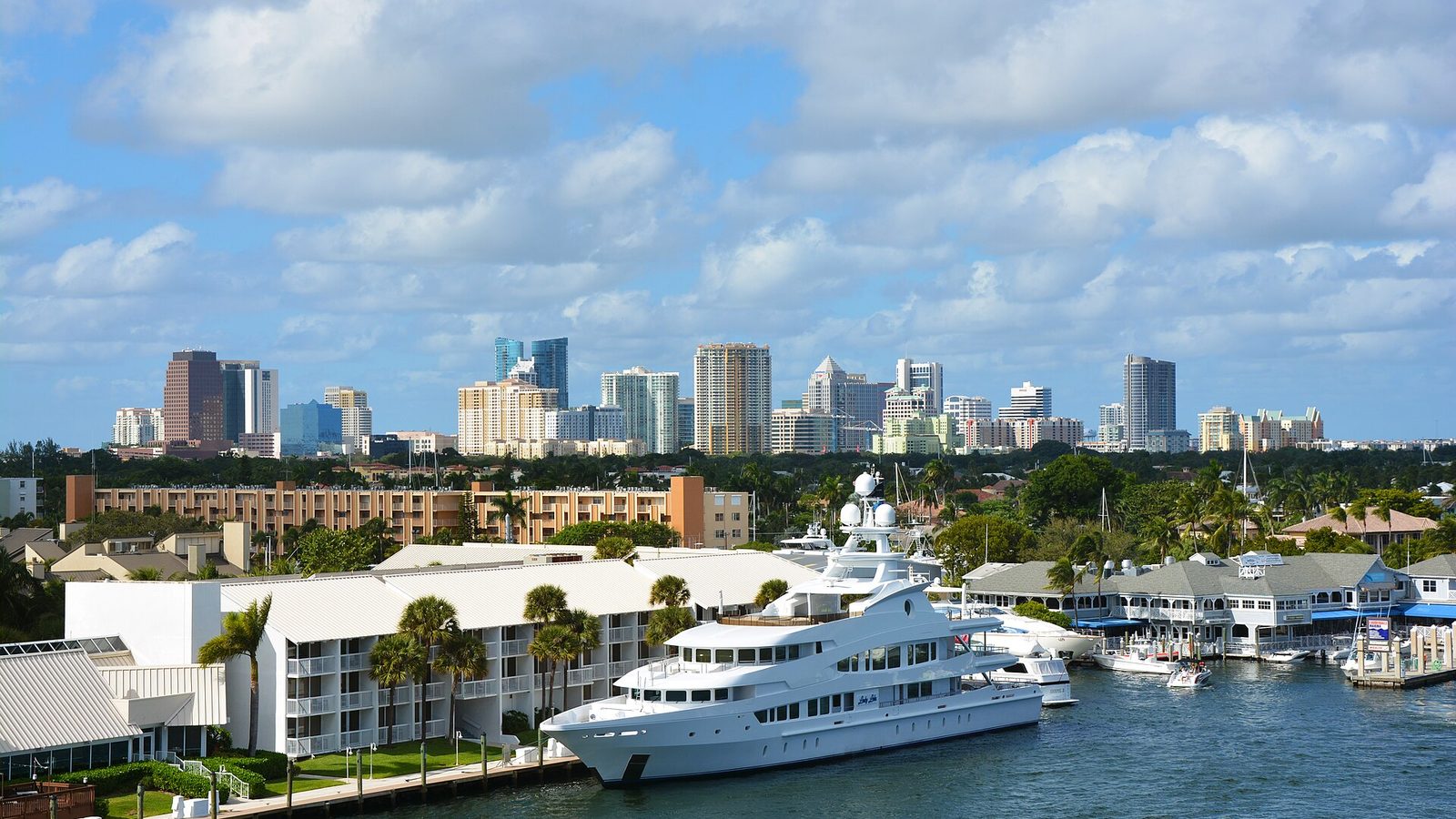
A named storm crosses the coast on a Thursday. By Friday morning the phone does not ring more often, it rings continuously, and the office has the same three people it had on Wednesday. That is the whole problem: the volume changes in a night, the crew does not.
What the surge actually looks like
The first wave is urgent and local: water where water should not be, no power, a roof that is now a skylight. The second wave, usually three to ten days later, is the backlog: units that ran for a week with no maintenance, systems that took a surge, and customers who were too polite to call during the emergency and now want a booking.
Most companies handle the first wave with adrenaline and lose the second one, which is where the scheduled work and the replacements are.
Triage beats answering fast
Answering every call in the order it arrives is the wrong rule after a storm. The right rule is a short triage at the top of the call, before anything is promised.
- Is there water, or a live electrical risk? Those go first, and they go to a person.
- Is this a vulnerable customer? Elderly, medical equipment, infants. That is a same day booking even if the truck is full.
- Can it wait 72 hours? Most can, if somebody says so clearly and gives a real window.
- Is it a replacement conversation? A unit that flooded is not a repair. Book the assessment, not the fix.
Written down, that is five lines. Without it, the office makes a different judgement on every call, and the loudest customer wins instead of the most urgent one.
What to promise, and what never to
Do not promise a time you cannot keep, and do not promise a price you have not seen the job for. The message that holds up is specific about the wait and vague about nothing else: "We can be there Thursday between 8 and 11, and the assessment is X. If the unit needs replacing we will quote before we start."
Customers forgive a wait. They do not forgive being told 2pm and waiting until Saturday.
The callback list nobody works
During a surge, every company creates a list of people it could not get to. That list is the most valuable thing produced that week and almost nobody calls it back. Two days later those customers have booked someone else, and the list becomes evidence of what was lost.
A follow-up sequence that works the list on day two, day four and day seven recovers a meaningful share of it. LeadForge exists for that pattern, and it works the same way on a normal Tuesday as it does after a storm.
Staffing math that people avoid
If a call takes four minutes and you get three hundred calls in a day, that is twenty hours of talking, before any scheduling, dispatch or invoicing. One person cannot do it. Two people can, barely, and only if nothing else happens.
That is the argument for the phone being answered by something that does not also need to quote a job, call a supplier and chase a part. The person handles the exceptions. The system handles the queue.
The week after is where the money is
Replacements, maintenance plans and the quotes that follow an assessment all land in the ten days after the storm, not during it. A company that captured clean records during the surge can work that list. A company that wrote names on a legal pad cannot.
What makes the record useful is dull: address, system type, age if known, what failed, whether it is under warranty, and what was promised. That is the same data a job record needs on a normal day, which is why OpsFlow is built around it rather than around the storm.
Write the plan before the season
Decide the triage rules, the wording of the promise, the callback cadence and who owns the list. Put it in one page. The week before a storm is too late to invent it, and the week after is too late to use it.
If you want to test the numbers first, the missed call calculator works on your own inputs.
CallShield: The phone rings while you are on a roof. It gets answered, and the visit is booked.
This is the system that handles what this article describes. See how it works, what is included, and the expected outcome.
New to the category? Start with HVAC AI, explained for contractors: what it covers, what it does not, and how to choose a partner.
See where this would help in your business.
Book a free consultation and we will review your calls, leads and admin, then tell you honestly what is worth automating.